Is Encapsulation Worth It? Breaking Down True Project Expenses
What Does Crawl Space Encapsulation Cost in 2026?
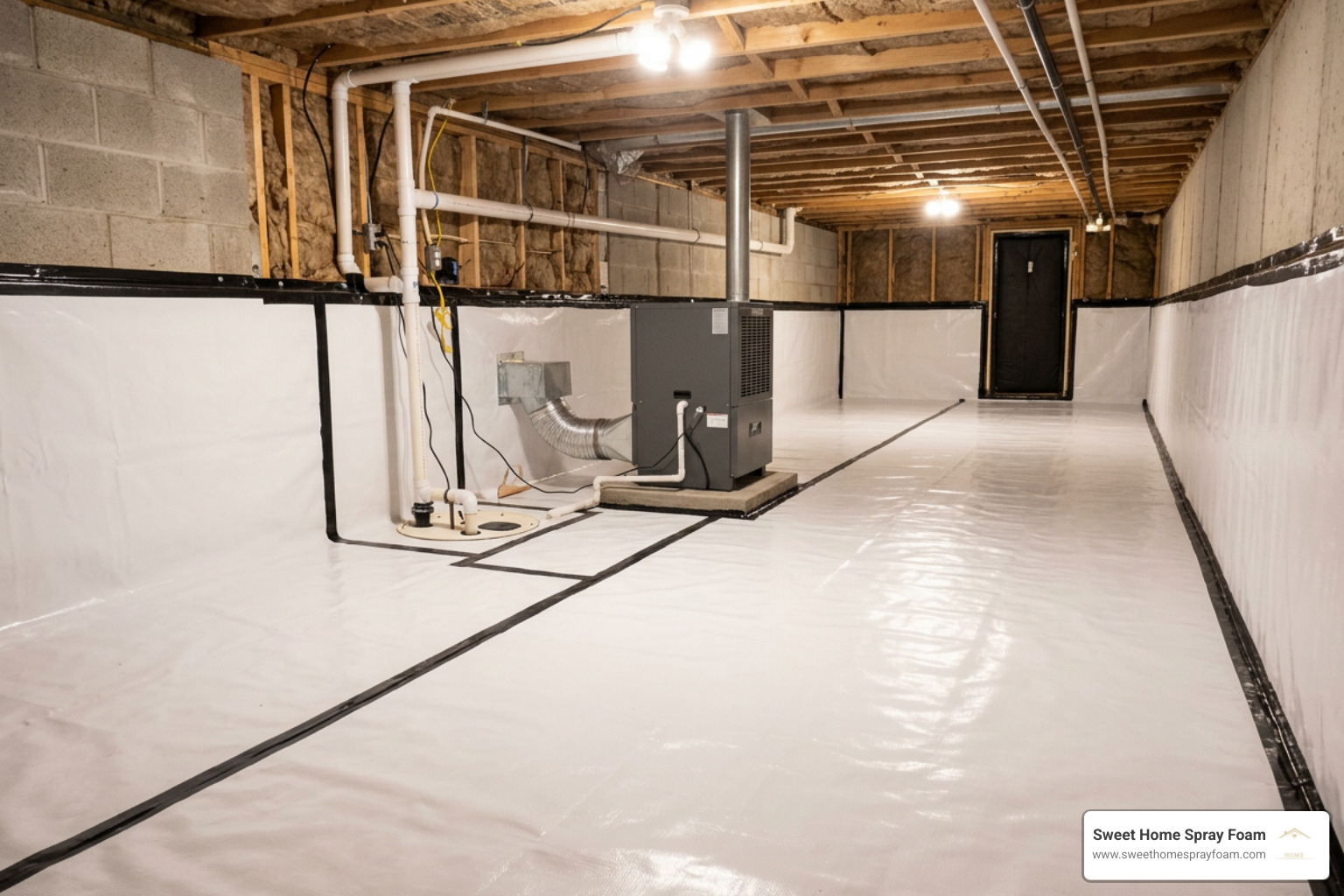
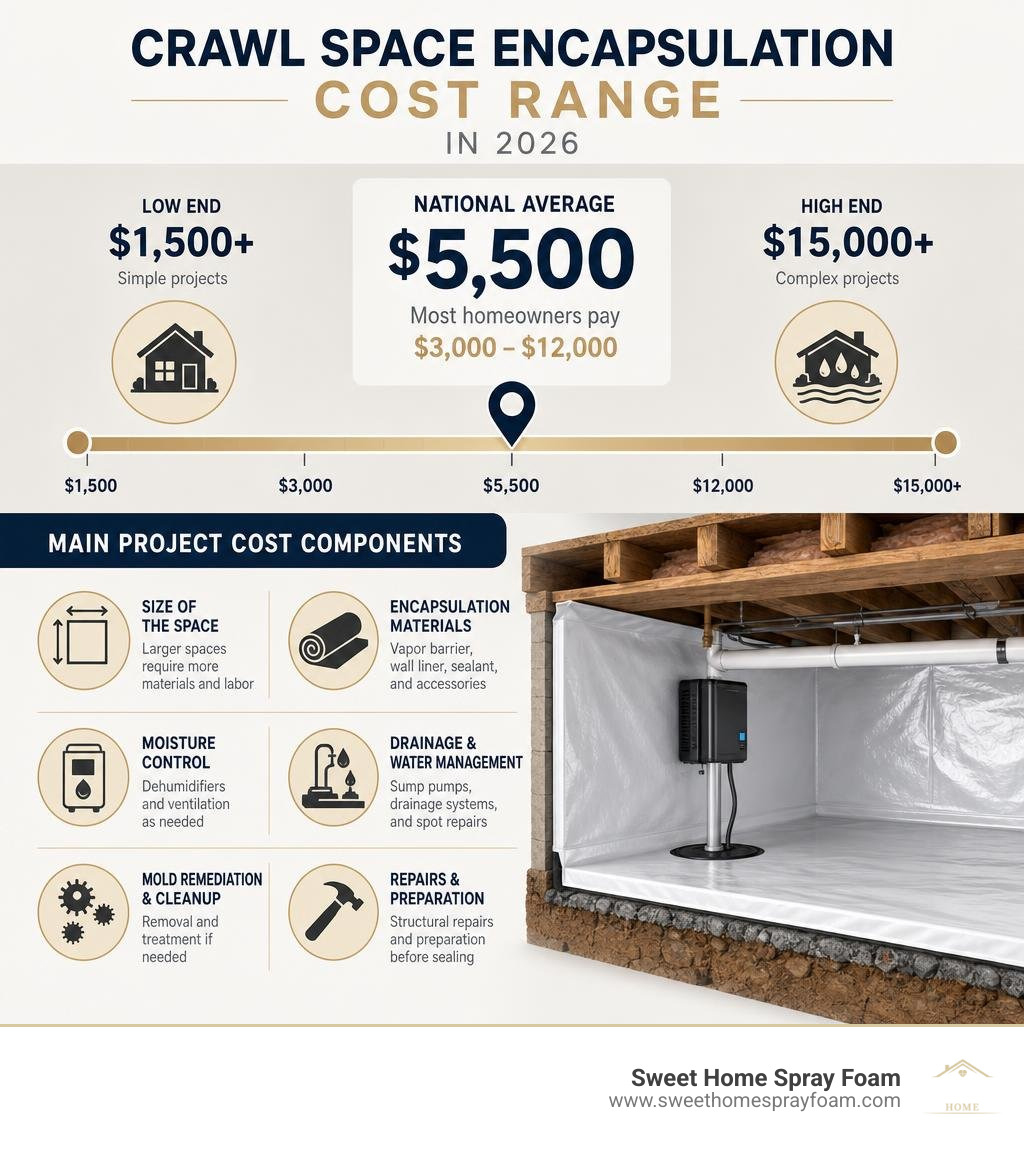
The average crawl space encapsulation cost in 2026 is about $5,500 nationwide. Most homeowners pay $3,000 to $12,000, while a simple project may start near $1,500 and a crawl space with serious water, mold, or repair needs can reach $15,000 or more.
A standard system commonly costs $3 to $7 per square foot. For a 1,500-square-foot home, that often means a budget of roughly $5,500 to $8,000 before major repairs. Severe moisture problems, drainage work, mold removal, or damaged framing can push the price closer to $10 per square foot.
Encapsulation is more than laying plastic over dirt. A full system seals the ground, walls, and vents, then controls remaining humidity with the right equipment. For Virginia homeowners dealing with drafts, high energy bills, musty smells, or uneven indoor temperatures, the right scope matters far more than the lowest quote.
This guide breaks down what is included, what raises the final price, and how to decide whether full encapsulation is a smart investment for your home.
Understanding the Average Crawl Space Encapsulation Cost in 2026
When evaluating home improvement estimates, it helps to understand how the broader market prices crawl space work. Over the last five years, nationwide encapsulation prices have risen approximately 17.8%, driven by supply chain realities, higher material manufacturing standards, and rising skilled trade labor rates. Today, most industry tracking models place the median project benchmark between $5,500 and $6,500.
The total figure you see on a contractor's estimate is rarely just the cost of materials. In fact, professional labor accounts for 50% to 70% of the entire project cost. Encapsulation requires hours of manual labor in tight, dusty, low-clearance spaces. Installers must carefully prep the ground, wrap every pier, detail foundation corners, and secure mechanical systems.
Materials make up the remaining 30% to 50% of the invoice. This includes specialized reinforced polyethylene liners, antimicrobial tapes, foundation sealants, polyurethane insulation, and commercial-grade humidity hardware. To see how these numbers shift across various square footages and material grades, you can reference industry cost estimates for home improvements.

Breakdown of Average Crawl Space Encapsulation Cost Per Square Foot
Contractors typically price encapsulation using square footage measurements of the crawl space footprint combined with the vertical wall area.
- Basic Ground Vapor Barrier ($0.50 – $2.00 / sq. ft.): Thin 6-mil to 10-mil poly laid over the earth floor with minimal seam taping and no wall coverage or mechanical drying.
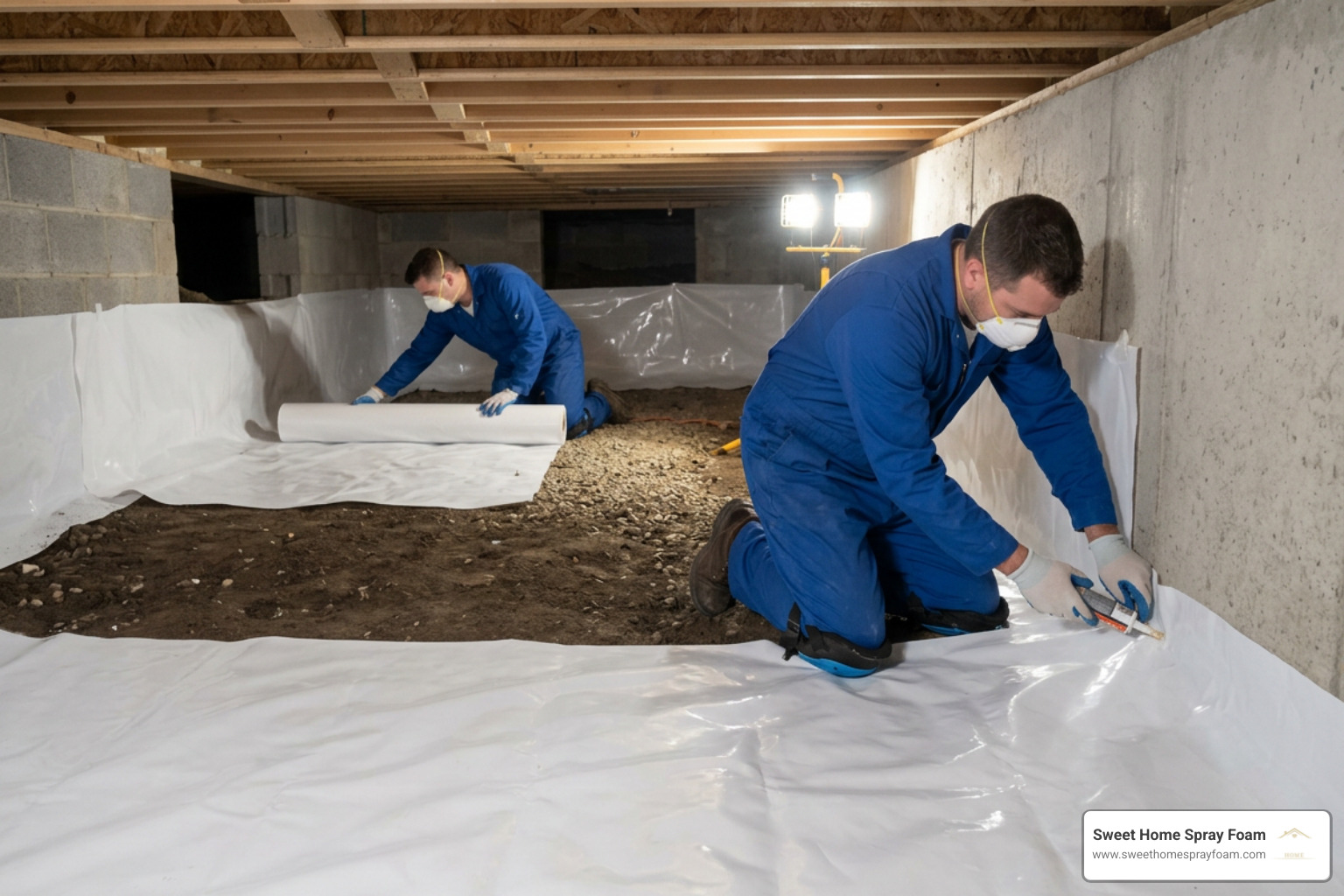
- Standard Encapsulation ($3.00 – $7.00 / sq. ft.): Heavy-duty 12-mil to 20-mil reinforced liner installed across the floor and run up foundation walls, fully taped at all seams, foundation vents sealed, and perimeter band joists insulated.
- Extensive / Complex Systems ($7.00 – $14.00+ / sq. ft.): Multi-layered tear-resistant 20-mil liner, complete closed-cell perimeter foam, commercial-grade dehumidification, perimeter French drain, and sump pump installation.
Material quality accounts for significant price variances. Basic plastic sheeting costs around $0.30 to $0.70 per square foot for raw supplies, whereas puncture-resistant composite liners with antimicrobial additives command higher prices due to their long service life.
Full Encapsulation System Components and Pricing
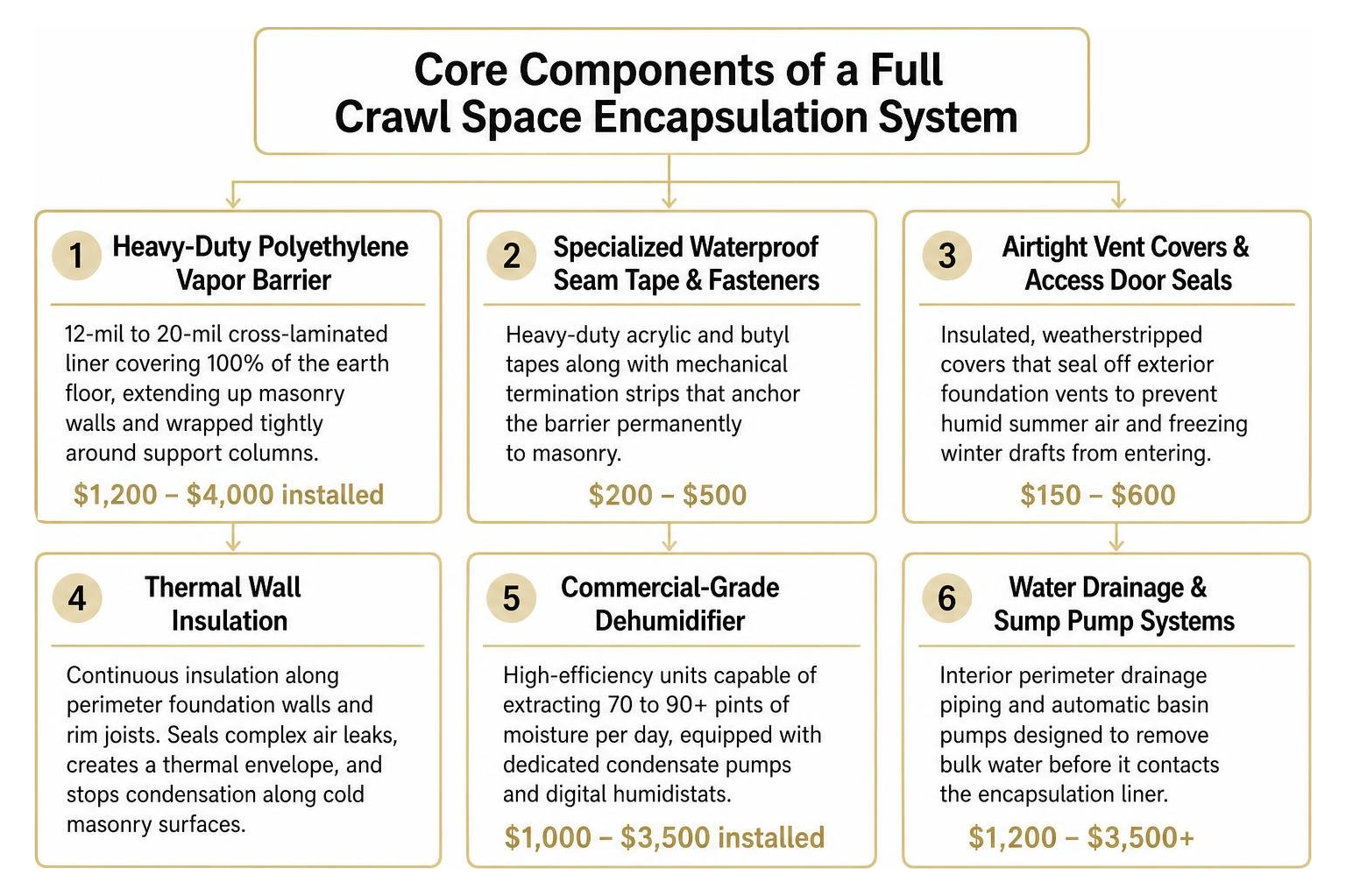
A true encapsulation system is an engineered moisture management envelope. Rather than treating individual symptoms, it seals the entire substructure of your home from outside humidity, soil gasses, and outdoor air.
- Heavy-Duty Polyethylene Vapor Barrier ($1,200 – $4,000 installed): A 12-mil to 20-mil cross-laminated liner covering 100% of the earth floor, extending up masonry walls and wrapped tightly around support columns.
- Specialized Waterproof Seam Tape & Fasteners ($200 – $500): Heavy-duty acrylic and butyl tapes along with mechanical termination strips that anchor the barrier permanently to masonry.
- Airtight Vent Covers & Access Door Seals ($150 – $600): Insulated, weatherstripped covers that seal off exterior foundation vents to prevent humid summer air and freezing winter drafts from entering.
- Thermal Wall Insulation: Applying continuous insulation along perimeter foundation walls and rim joists. Utilizing professional crawl space spray foam insulation seals complex air leaks, creates a thermal envelope, and stops condensation along cold masonry surfaces.
- Commercial-Grade Dehumidifier ($1,000 – $3,500 installed): High-efficiency units capable of extracting 70 to 90+ pints of moisture per day, equipped with dedicated condensate pumps and digital humidistats.
- Water Drainage & Sump Pump Systems ($1,200 – $3,500+): Interior perimeter drainage piping and automatic basin pumps designed to remove bulk water before it contacts the encapsulation liner.
Key Factors That Drive Encapsulation Expenses Up or Down
No two crawl spaces are identical. Two homes with the exact same footprint can receive drastically different quotes based on site-specific conditions:
- Crawl Space Clearance and Access: A generous 4-foot-high crawl space allows technicians to move freely. A tight, 18-inch clearance requires workers to crawl on their bellies, significantly extending installation hours and labor costs.
- Ground Substrate Condition: Smooth, flat soil requires minimal prep. Rough ground filled with sharp construction debris, large rocks, or deep trenches requires extensive clearing and a protective underlayment to avoid puncturing the barrier.
- Support Column Density: A wide-open floor plan is fast to line. A home with dozens of brick piers, HVAC duct supports, and plumbing drops requires hours of custom cutting, flashing, and sealing.
- Regional Labor and Climate Conditions: In high-humidity areas like Central and Southwest Virginia, heavy moisture loads require larger dehumidifiers and careful vapor sealing compared to arid western climates.
- Permitting and Code Mandates: Certain jurisdictions require electrical permits for dedicated dehumidifier circuits or specific inspection gaps for termite management.
How Crawl Space Size and Dimensions Shift the Average Crawl Space Encapsulation Cost
Total square footage is the primary starting point for any estimate, but foundation geometry plays an equally critical role.
A simple 1,500-square-foot rectangular home (30' x 50') has 160 linear feet of perimeter wall. An irregular, multi-wing layout with the same 1,500 square feet might feature 240 linear feet of perimeter foundation wall, requiring 50% more vertical liner, mechanical fasteners, and wall insulation.
| Crawl Space Footprint | Typical Project Range (Standard) | Extensive Project Range (With Drainage & Dehumidifier) |
|---|---|---|
| 800 – 1,000 sq. ft. | $3,000 – $6,000 | $5,500 – $9,500 |
| 1,200 – 1,500 sq. ft. | $4,500 – $8,000 | $7,500 – $13,000 |
| 1,800 – 2,200 sq. ft. | $6,000 – $11,000 | $9,500 – $16,000+ |
| 2,500+ sq. ft. | $8,500 – $14,000 | $12,500 – $20,000+ |
Added Costs: Mold Remediation, Drainage, and Structural Repairs
When technicians open an older, vented crawl space, they frequently uncover preexisting damage caused by years of trapped humidity. In fact, roughly 70% to 90% of older homes across the humid Southeast exhibit moisture-damaged insulation or active fungal growth beneath the subfloor.
- Fungal & Mold Remediation ($15 – $30 / sq. ft. of affected surface): Active mold colonies on floor joists, subflooring, and girders must be killed, scrubbed, and treated with antimicrobial coatings before sealing the area.
- Wood Rot & Framing Repair ($2,000 – $7,000+): Structural damage from wood-decay fungi or subterranean termites often requires sistering rotted joists, replacing rotted sill plates, or installing new structural support jacks.
- Bulk Water Drainage ($1,500 – $4,500): If groundwater pools in your crawl space during rainstorms, an interior French drain system and cast-iron sump pump must be installed beneath the barrier.
- Dedicated Electrical Hookups ($250 – $600): Commercial dehumidifiers require a dedicated, GFCI-protected electrical outlet wired by a licensed electrician.
Basic Vapor Barrier vs. Full Encapsulation: Weighing the Investment
Homeowners often ask if they can get by with a simple 6-mil plastic vapor barrier loosely spread across the dirt floor. While a basic barrier provides minor protection against direct soil moisture evaporation, it does not stop humid outdoor air from entering through open foundation vents, nor does it seal thermal leaks.
According to modern building science standards for crawl space moisture, vented crawl spaces in humid climates consistently experience summer condensation, elevated relative humidity (often exceeding 75%), and mold colonization on wooden structural members.
| Feature / Metric | Basic Vapor Barrier (Dirt Coverage Only) | Full Sealed Encapsulation System |
|---|---|---|
| Average Cost | $1,200 – $2,500 | $5,500 – $12,000 |
| Ground Coverage | Loose 6–10 mil poly, unsealed seams | Sealed 12–20 mil reinforced liner |
| Wall & Pier Sealing | None (bare masonry walls) | Fully taped, wrapped, and mechanically fastened |
| Vent Management | Open exterior vents | Airtight insulated vent covers |
| Thermal Insulation | Often fallen, damp fiberglass batts | Continuous closed-cell wall/rim joist insulation |
| Humidity Control | None (subject to outdoor weather) | Automated commercial dehumidifier |
| Energy Bill Reduction | Negligible (0% – 3%) | Significant (10% – 20% savings) |
| Expected Lifespan | 3 – 7 years (tears easily) | 15 – 25+ years |
Long-Term ROI, Energy Savings, and Home Value Impact
Encapsulation is not just a repair cost—it is an investment in your building's building envelope that generates direct financial returns.
- Reduced Heating and Cooling Bills: Up to 50% of the air inside your living space rises directly from your crawl space via the "stack effect." By sealing off ground moisture and insulating the foundation, your HVAC system no longer works overtime trying to cool wet, heavy air or heat drafty floors. Most homeowners experience an average 15% reduction in annual utility bills, allowing the system to pay for itself within 5 to 10 years.
- Preserving Structural Integrity: Preventing wood rot, floor buckling, and fungal degradation saves thousands of dollars in major structural repairs over the lifetime of the home.
- Improved Indoor Air Quality: Sealing out soil gases, allergens, and mold spores directly improves respiratory health for everyone living upstairs.
- Increased Resale Value: A dry, warrantied, and professionally encapsulated crawl space transforms a common buyer inspection red flag into a major selling point, often adding substantial buyer confidence during resale negotiations.
To dive deeper into building science and how thermal boundaries safeguard your property, explore our library of insulation education resources.
DIY Sealing vs. Professional Crawl Space Encapsulation
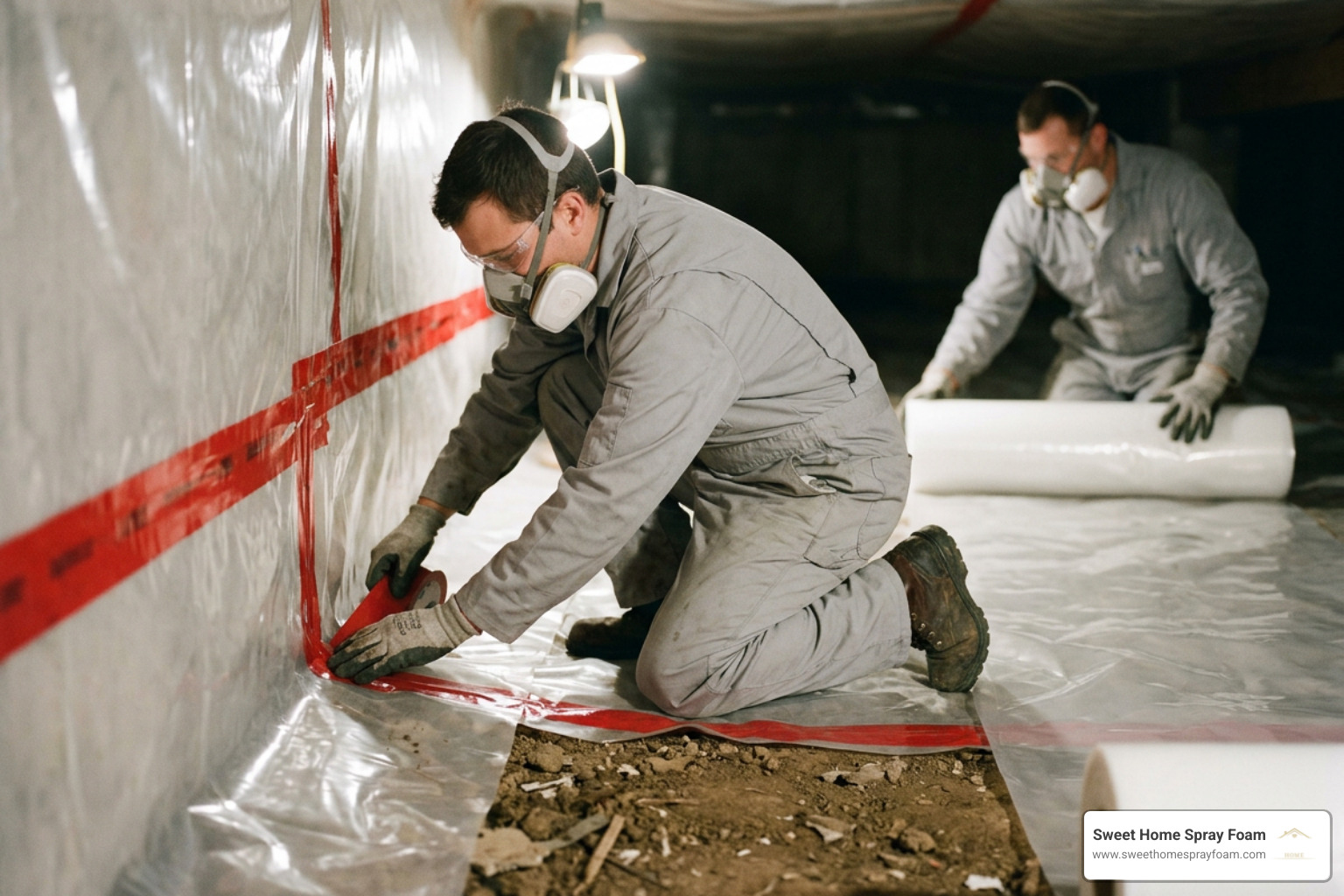
Homeowners with DIY experience often consider encapsulating their own crawl space to save on labor. While purchasing plastic sheeting and tape directly from a supply house can lower initial expenses, DIY installations carry significant risks:
- Incomplete Air Sealing: Missing hidden bypasses, improperly detailing masonry columns, or using standard duct tape (which degrades quickly under moisture) leaves entry points for humid air.
- Improper Combustion Appliance Safety: If your crawl space contains gas furnaces or water heaters, sealing vents without providing dedicated combustion makeup air can create dangerous backdrafting of carbon monoxide.
- Termite Inspection Code Violations: Building codes require a continuous 3-inch to 4-inch bare inspection band below the wooden sill plate so pest inspectors can check for termite mud tubes. DIYers often cover this band, voiding termite warranties.
- Physical Demands & Hazards: Crawling for days in tight spaces with spiders, sharp debris, animal droppings, and mold spores requires full personal protective equipment (PPE) and commercial-grade tooling.
A professional installation guarantees heavy-duty materials, full building code compliance, mechanical drainage integration, and long-term warranty protection.
Frequently Asked Questions About Crawl Space Encapsulation
Is a dehumidifier always necessary after encapsulating a crawl space?
In nearly all humid and mixed-humid climates, yes. While a sealed vapor barrier stops groundwater and outdoor humidity from entering through vents, moisture can still slowly permeate foundation walls, track across concrete footings, or escape from plumbing lines.
A dedicated commercial-grade crawl space dehumidifier acts as an insurance policy. It runs automatically to maintain relative humidity between 45% and 55%, preventing condensation, musty odors, and wood decay.
How long does a professionally installed crawl space system last?
A high-quality crawl space encapsulation system utilizing a 12-mil to 20-mil multi-ply polyethylene liner will easily last 15 to 25 years or more.
The mechanical components have their own maintenance lifespans: commercial crawl space dehumidifiers generally operate for 8 to 12 years before requiring replacement, while sump pumps last approximately 7 to 10 years. An annual visual inspection of the liner, tape seams, and dehumidifier filters ensures peak performance for decades.
What are the telltale signs that a crawl space needs encapsulation?
If your home is experiencing any of the following symptoms, your crawl space likely has unmanaged moisture:
- Pervasive Musty Smells: Damp odors traveling up into your ground-floor living areas.
- Cupping or Buckling Hardwood Floors: Hardwood planks curling at the edges due to moisture absorption from below.
- Sweating HVAC Ducts & Cold Floors: Condensation dripping from metal ductwork in the summer, or freezing-cold floors in the winter.
- High Indoor Relative Humidity: Air conditioning systems struggling to keep indoor humidity below 60%.
- Visible Fungal Growth: White, yellow, or dark fuzzy mold blooming across floor joists and subflooring.
- Insect and Rodent Activity: Camel crickets, silverfish, termites, or mice nesting in damp fiberglass batt insulation.
Conclusion
Understanding your true crawl space expenses helps you make an informed decision for your home. While the standard investment averages between $5,500 and $8,000 for most residential properties, full encapsulation protects your structural framing, lowers your monthly energy bills, and ensures clean indoor air quality for your family.
At Sweet Home Spray Foam, we provide clear upfront pricing, expert guidance on regional energy efficiency rebates, and pressure-free inspections across Virginia—including Richmond, Roanoke, Lynchburg, and Smith Mountain Lake. If you are ready to fix your damp crawl space with high-performance insulation and vapor barriers, contact our team today for a free, detailed evaluation.