
What Attic Cleanup and Insulation Cost in 2026
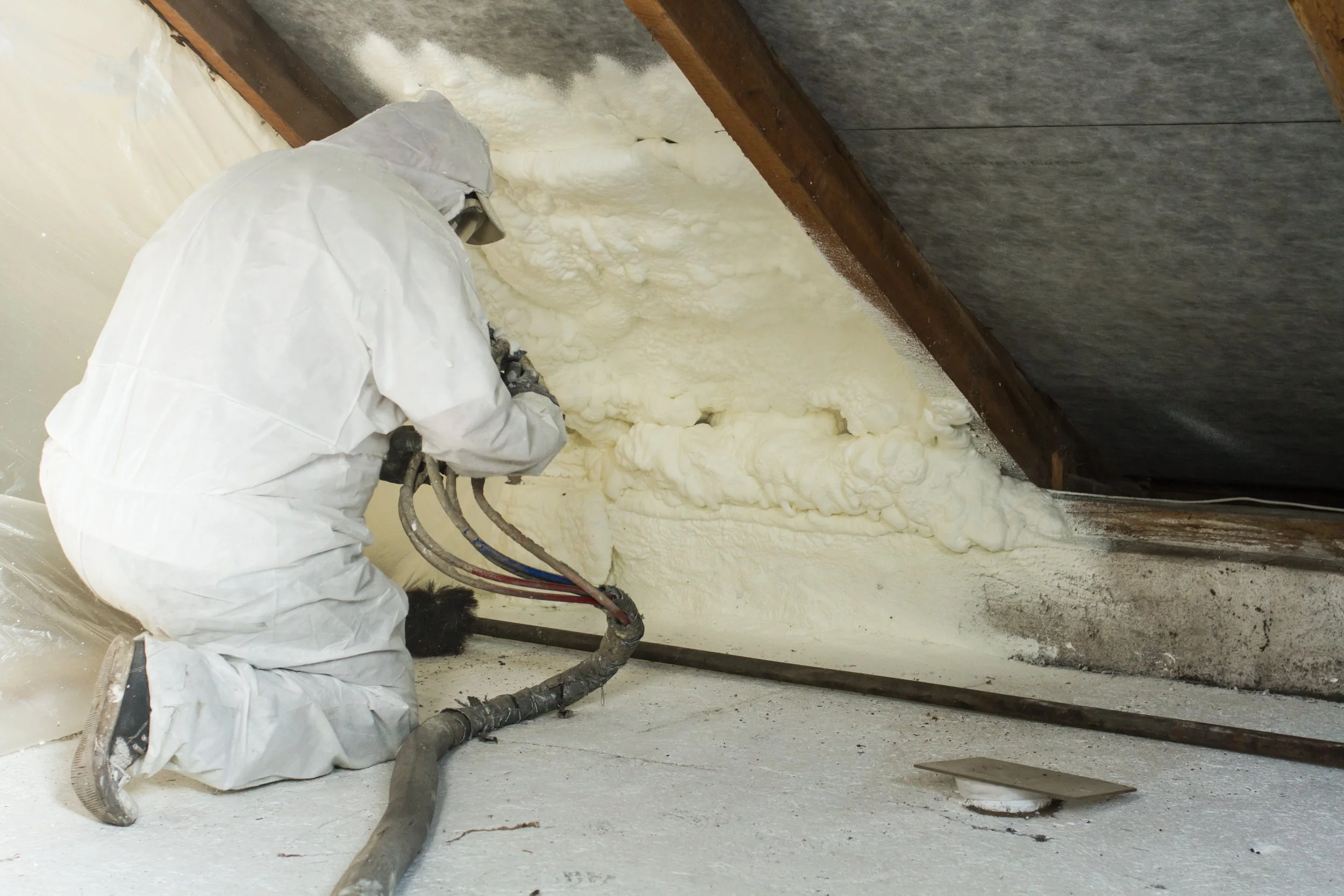
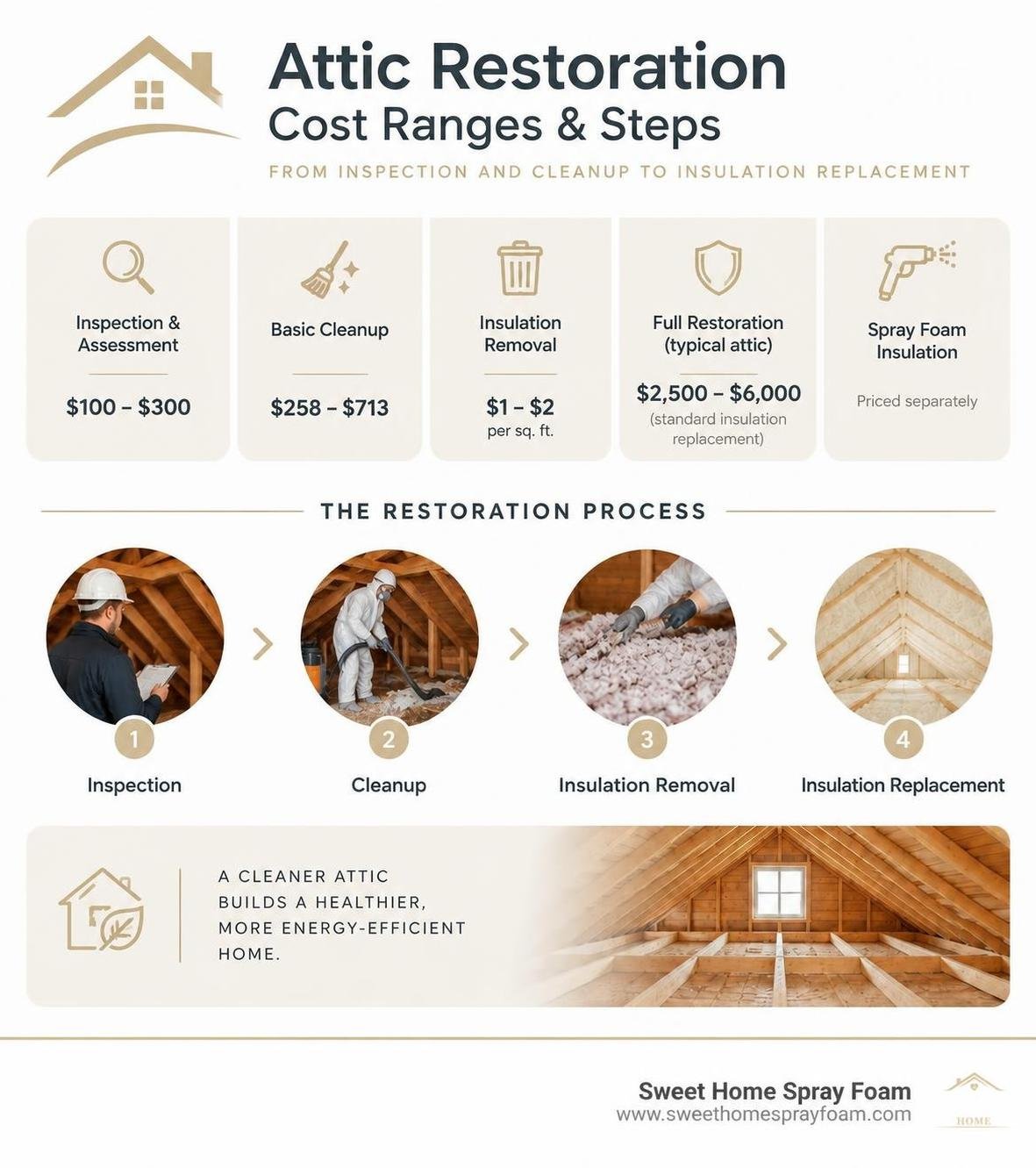
In 2026, attic cleanup and insulation cost depends on how much work the attic needs. A basic professional cleanout typically costs $258 to $713. Removing old insulation generally adds $1 to $2 per square foot. A full cleanup with insulation replacement often costs $2,500 to $6,000 for a standard attic, though severe contamination can push the bill higher. Those full-restoration estimates commonly cover standard insulation replacement; spray foam should be priced separately.
For a useful quote, ask for separate prices for cleaning, insulation removal, disposal, any pest or moisture work, and the new insulation. That makes it easier to see what you need and compare bids without mistaking a basic cleanout for a full restoration.
Average Attic Cleanup and Insulation Cost in 2026
When budgeting for your attic project, understanding how individual services add up prevents sticker shock. Most homeowners pay an average of around $438 for light, basic cleaning services. However, when an attic has degraded material, animal waste, or moisture issues, standard house cleaning will not cut it. You enter the territory of environmental remediation and energy retrofits.
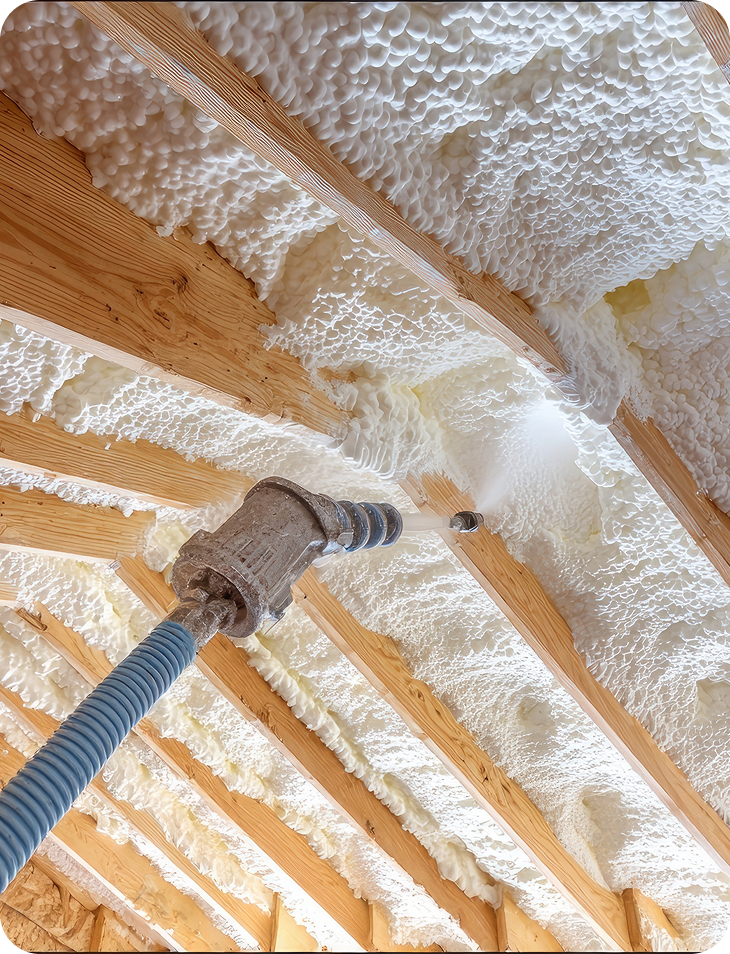
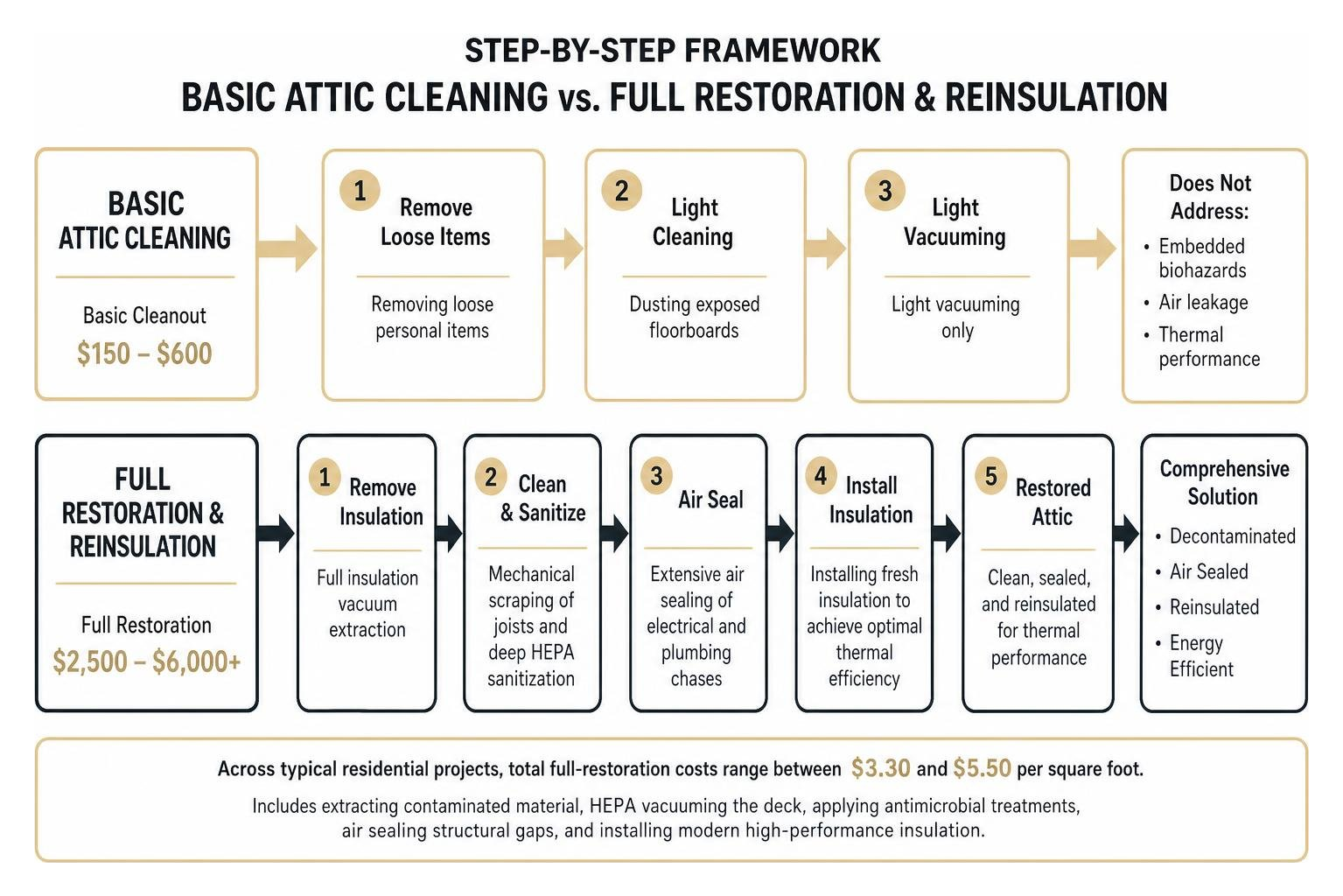
Across typical residential projects, total full-restoration costs range between $3.30 and $5.50 per square foot. This comprehensive price includes extracting contaminated material, HEPA vacuuming the deck, applying antimicrobial treatments, air sealing structural gaps, and installing modern high-performance insulation.
| Attic Size (Sq. Ft.) | Basic Cleanout Only | Insulation Removal & Sanitizing | Full Restoration with New Insulation | Full Restoration with Premium Spray Foam |
|---|---|---|---|---|
| 800 sq. ft. | $200 – $450 | $1,200 – $2,000 | $2,640 – $4,400 | $3,800 – $6,200 |
| 1,200 sq. ft. | $300 – $600 | $1,800 – $3,000 | $3,960 – $6,600 | $5,500 – $8,800 |
| 1,500 sq. ft. | $375 – $750 | $2,250 – $3,750 | $4,950 – $8,250 | $6,800 – $10,500 |
| 2,000 sq. ft. | $500 – $1,000 | $3,000 – $5,000 | $6,600 – $11,000 | $9,000 – $14,000 |
Square Footage and the Cost of Attic Cleanup and Insulation
The footprint of your attic directly drives labor hours and material volume. In older homes—such as classic properties found in Richmond or Lynchburg—a 1,200-square-foot attic often holds decades of compressed, dust-laden material. Vacuuming out this debris requires high-powered, truck-mounted extraction equipment that pulls hundreds of pounds of waste directly into sealed containment bags.
As square footage expands, disposal fees increase proportionally. Specialized disposal for contaminated waste costs between $100 and $300 per load depending on local transfer station fees. Reviewing a comprehensive attic insulation guide helps you visualize how square footage, target thermal resistance, and material volume shape your overall restoration budget.
Baseline Cleaning vs. Full Attic Restoration Pricing
There is a significant difference between sweeping up discarded storage boxes and performing a true thermal restoration:
- Basic Cleanout ($150 – $600): Involves removing loose personal items, dusting exposed floorboards, and light vacuuming. It does not address embedded biohazards, air leakage, or thermal performance.
- Decontamination & Sanitization ($300 – $800 add-on): Utilizes hospital-grade, EPA-registered antimicrobial fogging agents to neutralize bacteria, mildew spores, and lingering odors.
- Full Restoration ($2,500 – $6,000+): Encompasses full insulation vacuum extraction, mechanical scraping of joists, deep HEPA sanitization, extensive air sealing of electrical and plumbing chases, and installing fresh insulation to achieve optimal thermal efficiency.
Primary Factors That Increase Attic Restoration Expenses
No two attics are identical. While square footage provides a baseline estimate, specific physical and biological conditions can raise your project cost.
Biohazards: Rodent Infestations and Bat Guano Remediation
Pest intrusion is the leading reason homeowners transition from basic maintenance to full environmental cleanup. Rodent droppings and urine saturation ruin the thermal capability of fiberglass and cellulose, turning them into health hazards. Professional cleanup for rodent-damaged attics typically costs between $2,000 and $5,000+.
Bat guano remediation introduces additional complexity. Bat waste often carries Histoplasma capsulatum, a fungal spore that causes serious respiratory illness (histoplasmosis) when disturbed and inhaled. Specialized bat guano removal runs between $1,500 and $8,000, requiring:
- Full containment zones with negative air machines to prevent spore migration into living areas.
- HEPA vacuums certified to capture 99.97% of particles down to 0.3 microns.
- Enzymatic treatments that break down uric acid crystals and organic proteins at a molecular level.
- Physical exclusion sealing using galvanized steel mesh and heavy-duty sealants to stop future entry.
Mold Growth, Moisture Damage, and Odor Neutralization
When warm, humid indoor air escapes into a cold roof cavity, condensation forms on rafters, roof decking, and joists. Over time, this leads to wood rot, compromised ceiling drywall, and active mold colonies.
Remediating mold in an attic adds $1,000 to $3,500 to project costs. Crews must treat all exposed roof timber with fungicidal washes and structural seal coats. Addressing these vulnerabilities requires understanding how attic and crawl space insulation works holistically to control moisture transport throughout your entire home.
Structural Access, Confined Spaces, and Low Headroom
Labor rates depend heavily on how easily technicians can move within the workspace. Historic homes in areas like Charlottesville or Roanoke often present extreme structural challenges:
- Undersized Access Hatches: Openings under 24 inches require crews to stage vacuum hoses and gear through tight bedroom closets or delicate hallways.
- Low Roof Pitch: Working in spaces with less than 3 to 4 feet of vertical headroom slows down extraction and installation work, increasing overall labor hours.
- Complex Framing: Navigating knee walls, cathedral transitions, and exposed attic floor installation framing requires specialized staging planks to prevent ceiling drywall damage below.
How to Evaluate Itemized Estimates and Maximize Energy Rebates
A low initial quote often signals hidden fees down the road. Unscrupulous operators may quote a low price for cleanout, only to charge extra for disposal, sanitizing sprays, or essential sealing work midway through the job.
Essential Components of a Line-Item Estimate
To protect your budget, make sure your contractor provides a detailed, written estimate outlining every phase of the project:
- Extraction & Disposal: Line-item cost detailing square footage, vacuum machinery setup, and off-site disposal fees.
- Sanitization Scope: Specific antimicrobial, virucidal, or enzymatic products named, including application methods (such as ULV cold fogging).
- Air Sealing Details: Explicit inclusion of sealing top plates, wire penetrations, duct boots, and attic hatch weatherstripping.
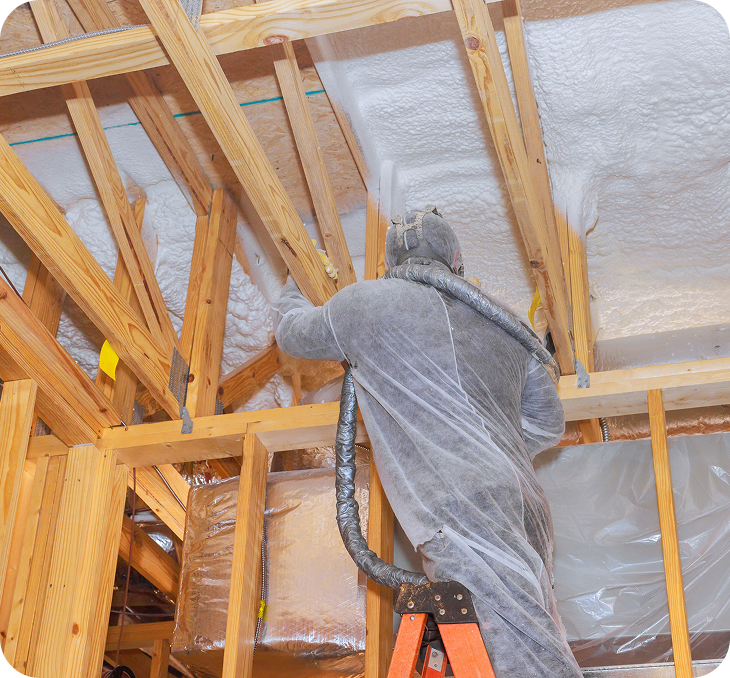
- Insulation Specifications: Exact square footage, material chemistry, installed thickness, and delivered R-value. Upgrading to closed-cell or open-cell attic spray foam insulation creates an air barrier and thermal blanket in one step, sealing your roofline against outside air infiltration.
- Exclusion & Pest Proofing: Locations of sealed entry points and materials used (e.g., steel wire mesh, expanding pest foam).
Qualifying for Utility Rebates and Insurance Claims
Upgrading your attic efficiency can qualify for substantial financial incentives. Under federal energy efficiency programs, homeowners can claim tax credits covering up to 30% of insulation and air sealing material costs (up to $1,200 annually).
Additionally, regional municipal programs—such as local attic insulation rebates—offer direct cash rebates when upgrading under-insulated spaces to modern standards. While rebates generally cover the insulation and air sealing portion of the invoice rather than the debris removal itself, bundling these upgrades delivers substantial upfront savings.
When it comes to homeowners insurance, standard policies typically exclude gradual rodent infestations or deferred maintenance. However, if your attic insulation was damaged by a sudden, covered peril—such as a burst pipe, fallen tree limb, or structural storm damage—the cleanup, sanitization, and insulation replacement may be eligible for coverage. Always request full photographic documentation before, during, and after remediation to support your claim.
Professional Remediation vs. DIY: Safety, Equipment, and Value
It is tempting to look at a dirty attic and think a shop vac and a weekend of effort will solve the issue. However, DIY attic cleanouts carry real financial and physical risks.
Standard household vacuums quickly blow microscopic rodent feces, dander, and mold spores straight out of their exhaust ports, contaminating your living spaces through HVAC returns. Professional remediation teams use commercial negative-air units and wear OSHA-compliant PPE—including full Tyvek suits and NIOSH-approved P100 respirators.
| Consideration | DIY Attic Cleanout | Professional Attic Remediation |
|---|---|---|
| Equipment Costs | $300 – $800 (Rental vacuum, bags, PPE, sprayers) | Included in contract |
| Health Risks | High (Exposure to hantavirus, histoplasmosis, mold) | Managed via containment & P100 PPE |
| Air Sealing Quality | Often incomplete (Hidden bypasses missed) | Comprehensive thermal envelope sealing |
| Disposal Logistics | Requires hauling bulky, hazardous bags to dump | Turnkey removal and legal disposal |
| Time Investment | 20 – 40 hours of heavy physical labor | 1 – 2 days for complete project |
Long-Term Value: Why Attic Cleanup and Insulation Cost Pays Off
Investing in professional attic cleanup and reinsulation delivers immediate returns in living comfort, indoor air quality, and utility savings. A properly sealed and insulated attic reduces heating and cooling demands by up to 15% to 20%.
When calculating spray foam attic costs, homeowners discover that moving the thermal boundary to the roof deck protects attic-located HVAC equipment and ductwork from summer heat and winter drafts. This reduces mechanical strain on your heat pump or air conditioner, extending system lifespan while maintaining consistent temperatures across every room in your house.
Frequently Asked Questions About Attic Cleanup and Re-Insulation
How do I know if my attic needs full insulation removal or just a top-off?
If your existing insulation is dry, clean, free of pests, and simply settled or thin, adding a fresh layer on top is a cost-effective solution. However, you must opt for complete removal if you find:
- Rodent droppings, nesting material, or urine odors.
- Water staining, active mold colonies, or compressed, damp batts.
- Fibers packed down by years of storage traffic, which destroys thermal resistance.
- Old, degraded loose-fill that prevents access for air-sealing floor penetrations.
Does homeowners insurance cover rodent cleanup and insulation replacement?
Most standard homeowners policies exclude damage caused by vermin, insects, or gradual infestation, viewing pest control as part of routine maintenance. However, insurance will often cover attic remediation and insulation replacement if the damage stems from a sudden, covered incident, such as wildlife creating a hole during a storm or water damage following roof shingle loss. Check your policy terms and supply itemized contractor estimates with comprehensive photo evidence.
How long does a full attic cleanout and re-insulation project take?
A standard residential attic cleanout and restoration typically takes 1 to 2 business days. Day one focuses on setting up dust containment barriers, vacuuming out old insulation, and performing HEPA surface cleaning and antimicrobial treatments. Day two involves sealing all structural air leaks, installing ventilation baffles, and applying the new high-performance insulation.
Conclusion
Restoring your attic transforms an overlooked space into a clean, energy-efficient buffer for your entire home. Eliminating contaminated materials, neutralizing allergens, and applying modern air barriers protects your family's respiratory health while lowering heating and cooling bills season after season.
At Sweet Home Spray Foam, we believe in transparent, pressure-free service. We provide clear upfront pricing, detailed scopes of work, and practical guidance on qualifying utility rebates for homeowners throughout Richmond, Roanoke, Lynchburg, and Smith Mountain Lake. Contact us today to schedule your comprehensive attic evaluation and take the first step toward a cleaner, healthier, and more comfortable home.