
Which Waterproof Expanding Foam Filler Should You Choose?
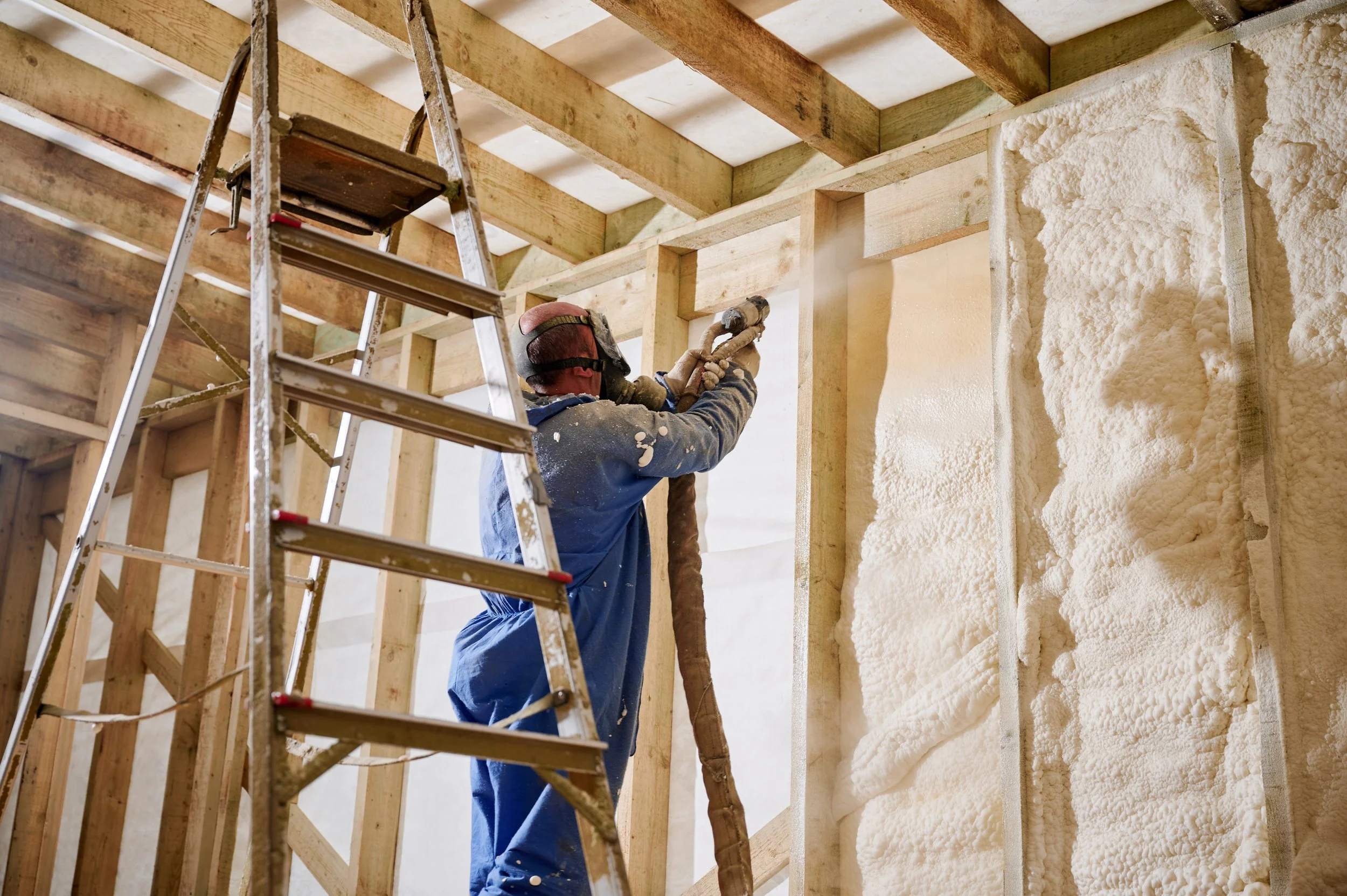
The best waterproof expanding foam filler depends on where the water comes from. For a pond or waterfall, choose a foam labeled for water features. For gaps around a home, check the label for outdoor use and the gap size it can fill. Use low-expansion foam near window and door frames, where too much pressure can cause damage.
A foam labeled water-resistant may help keep rain out of a gap, but that does not mean it can handle standing water or an active leak. Even outdoor foam may need a coating to protect it from sunlight. This guide helps you sort those claims before you buy.

How Expanding Foam Filler Waterproof Systems Seal Gaps and Block Moisture
Polyurethane expanding foam works through a simple chemical reaction between polymeric isocyanates and polyols. When extruded from an aerosol canister or applicator gun, the liquid reacts with ambient moisture in the surrounding air and substrate. This moisture reaction produces carbon dioxide gas, blowing millions of tiny polymer cells outward to completely occupy voids, cracks, and structural gaps.
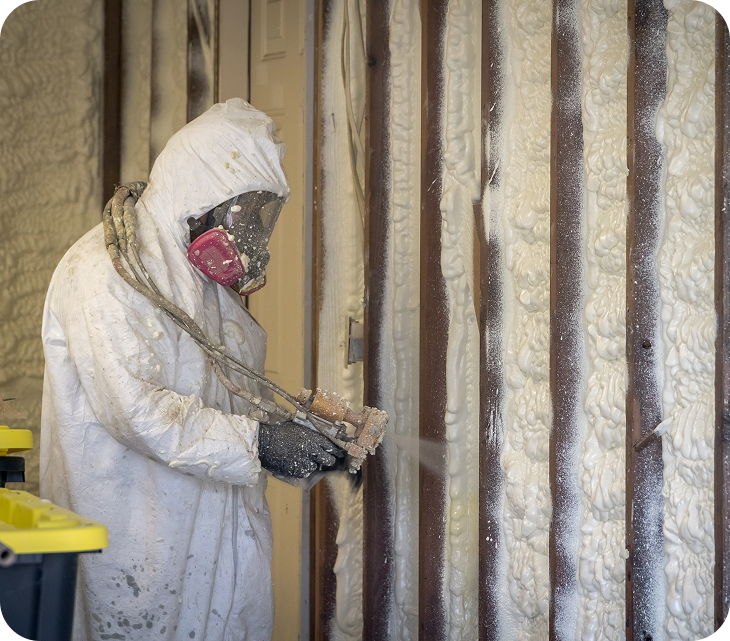
For a seal that blocks liquid water entirely, cell structure determines success. Closed-cell formulations feature compact, microscopic pockets where cell walls remain completely sealed. These dense pockets prevent water droplets from wicking into the matrix. As we explore when evaluating traditional vs spray foam insulation, closed-cell polyurethane serves as an air barrier, a thermal barrier, and a continuous moisture retarder in one application.
Once cured, the exterior skin creates a durable hydrophobic perimeter. Water sheds naturally across its surface instead of penetrating deep into surrounding building assemblies, framing materials, or landscaping foundations.
Waterproof Expanding Foam Filler vs. Water-Resistant Formulations
Understanding the distinction between true waterproof sealants and water-resistant foams prevents moisture damage in exterior projects:
- Waterproof Expanding Foam (Closed-Cell): Formulated with high-density, closed cells that resist standing water, moisture immersion, and direct weather contact. It repels liquid intrusion even under low hydrostatic pressure.
- Water-Resistant Expanding Foam (Standard Open-Cell / General Gap Fillers): Highly effective at shedding intermittent rainwater and blocking bulk air drafts. However, prolonged submersion or continuous puddling causes moisture absorption, softening the core over time.
- Silicone and Hybrid Caulks: Excellent elasticity for shallow joints, but impractical for large structural cavities or deep exterior gaps where bulk expansion is required.
| Feature / Metric | Waterproof Closed-Cell Foam | Water-Resistant Gap Foam | Traditional Silicone Caulk |
|---|---|---|---|
| Cell Structure | 90%+ Closed-Cell | Mixed / Semi-Open | Solid Elastomer |
| Water Absorption | Extremely Low (<1%) | Moderate to High (>5%) | Zero |
| Max Gap Width | Up to 3+ inches | Up to 1–2 inches | 0.5 inches |
| Thermal Value | Up to R-3.7 to R-6.5 per inch | R-3.0 to R-3.7 per inch | Negligible |
| Standing Water Use | Yes (Ponds, Waterfalls, RVs) | No (Shedding only) | Yes (Perimeter seams) |
| Paintability | Yes (Acrylic/Latex) | Yes | Specific formulations only |
Structural Limits, Temperature Ratings, and UV Degradation
Waterproof expanding foams handle harsh thermal environments once cured. Standard polyurethane formulations maintain an operating temperature resistance ranging from -40°F (-40°C) to 176°F (80°C). Application should occur in temperatures between +21°F (-6°C) and +86°F (30°C), with an optimal installation sweet spot around 68°F (20°C).
Despite high moisture resistance, expanding foam has structural limitations:
- Non-Structural Nature: Expanding foam fills cavities and seals out air or water, but it cannot bear heavy structural loads or stabilize shifting framing on its own.
- UV Degradation: Ultraviolet radiation breaks down untreated polyurethane foam. Over time, sunlight discolors the foam to a brittle, powdery amber. Outdoor foam must contain UV-blocking carbon black pigments or receive an exterior latex coating.
- Hydrostatic Pool and Concrete Repairs: For high-pressure structural water leaks, specialized systems like a polyurethane foam crack injection kit for leaking pools use dense hydrophobic resins designed to expand deep inside concrete fractures without washing away during cure.
Top High-Moisture and Outdoor Applications for Waterproof Foam
Waterproof foams provide versatile solutions across outdoor, marine, and below-grade scenarios where ordinary sealants degrade.
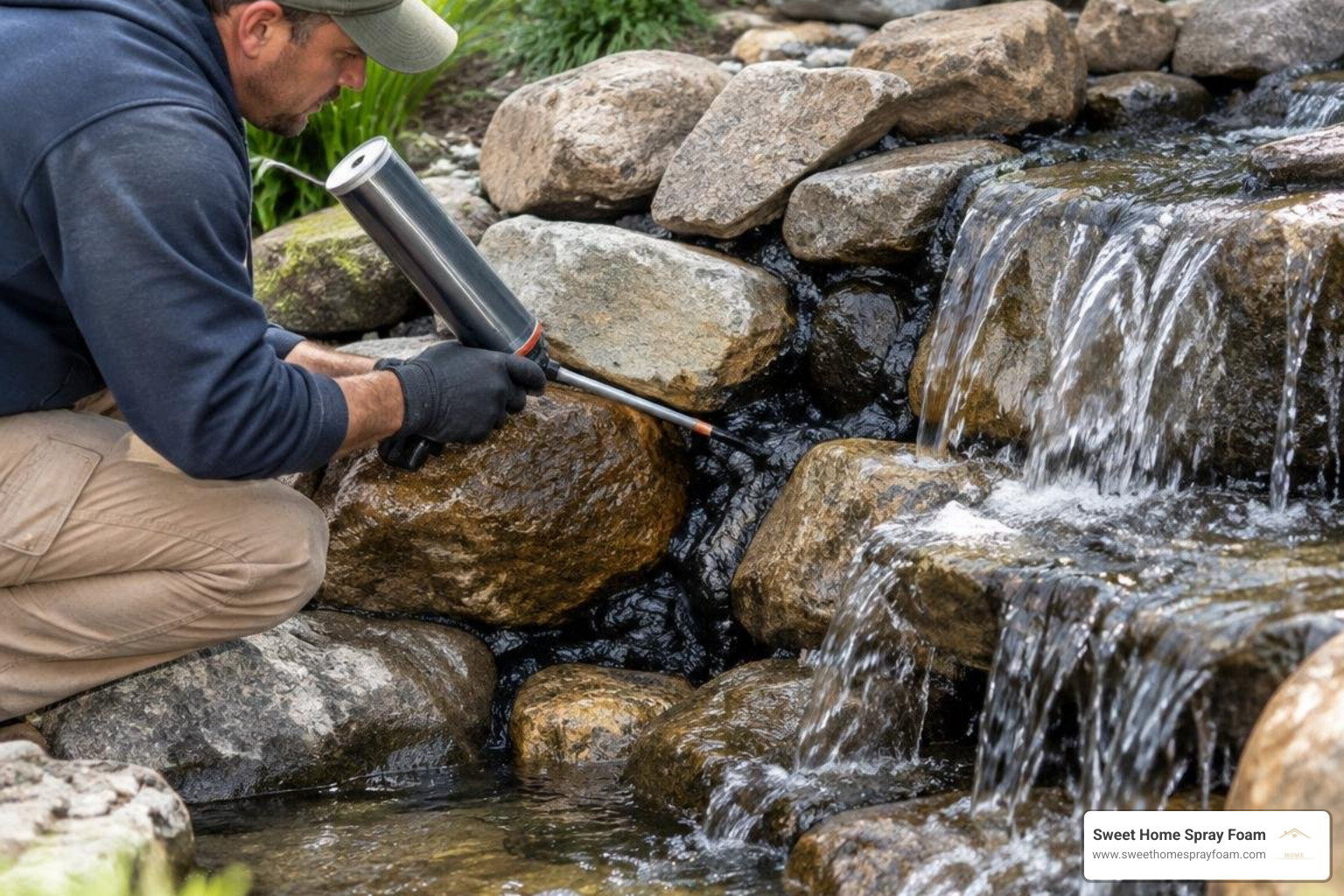
Using a dedicated aerosol spray foam designed for exterior sealing makes quick work of difficult shapes. Specialty options, such as waterproof spray foam on Amazon, offer tailored solutions for everything from camper roof repairs to landscape construction.
Ponds, Waterfalls, and Aquatic Safety Considerations
Building a backyard stream, koi pond, or water garden requires controlling water pathways over stone. Products like Gorilla Pro Expanding Foam and specialized black waterfall foam create watertight bonds between irregular rock surfaces.
- Aquatic Life Safety: Quality waterfall foams are 100% fish- and plant-safe once fully cured. They do not leach volatile chemicals into the water column.
- Aesthetic Blending: Deep charcoal and black pigments blend naturally into stone shadows while offering built-in UV resistance.
- Water Redirection: Foaming behind and underneath waterfall stones forces water over the rocks rather than letting it seep underneath where it goes unseen.
While it is tempting to use whatever cheap expanding foam is in your workshop, stick with aquatic-rated closed-cell formulations for submerged or splashing environments.
Plumbing Penetrations, Basements, and RV Weatherproofing
Waterproof expanding foams solve challenging moisture problems around the home and on the road:
- Crawlspaces & Rim Joists: Sealing around outdoor water spigots, HVAC lines, and electrical conduits prevents humid air and groundwater vapor from entering living spaces.
- Pest and Rodent Deterrence: Expanding foam fills hidden gaps that mice, rats, and insects use to enter structures.
- RV & Marine Sealing: Motorhomes and travel trailers flex during transit. Flexible, waterproof polyurethane accommodates vibration while sealing roof vents, slide-out trim, and underside chassis penetrations.
- Enclosures and Catios: Weatherproofing outdoor animal spaces keeps out driving rain and cold drafts.
Selecting the Right Foam: Expansion Ratios, Dispensers, and Yields
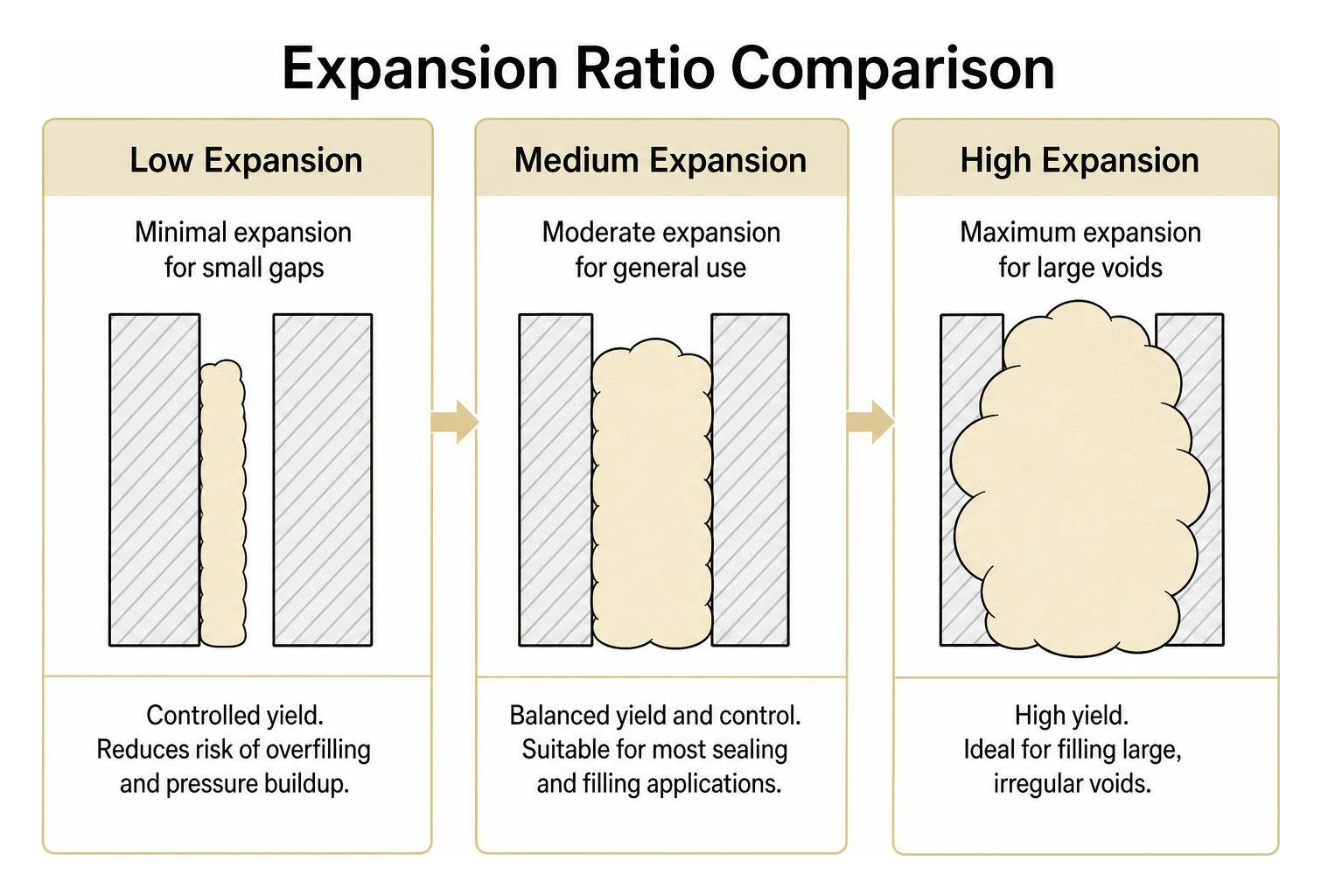
Selecting the correct expanding foam filler waterproof product prevents messy overflows and mechanical pressure damage on surrounding framing.
Foam yields offer remarkable material efficiency:
- A single 12 oz canister of expanding foam delivers the equivalent sealing volume of up to 22 standard caulk tubes (roughly 7 quarts of caulk).
- A 20 oz can, such as the Great Stuff 20 oz Big Gap Filler, yields coverage equivalent to roughly 30 tubes of standard caulk, filling approximately 5 square feet at a 1-inch thickness.
- Canisters engineered for professional applicator guns can yield up to 12 gallons of cured foam with precise output regulation.
Low-Pressure Foams for Window and Door Installations
Installing exterior doors and replacement windows demands a low-expansion, low-pressure polyurethane foam. High-expansion formulations exert enough outward pressure during curing to bow vinyl jambs and pinch window balances.
Using a specialized low-expansion product, such as Sprayman Window & Door Low Expansion Foam, creates a compliant, airtight, and waterproof barrier that accommodates structural settlement without distorting frames. Reviewing our cheap spray foam insulation guide can help you budget the right volume of low-pressure cans for window retrofits.
High-Volume Expansion for Deep Voids and Attics
For deep structural voids, foundation wall transitions, and broad exterior seams, high-expansion formulations are the best choice. Standard low-expansion formulas expand 20 to 30 times their liquid volume, whereas professional high-expansion spray formulas expand 200 to 300 times their initial volume.
For large structural cavities, pair a gun-grade spray foam insulation can with a contractor-grade delivery tool. If you plan to air-seal major home cavities, check our guide on the best spray foam insulation for attic spaces to balance DIY spot-sealing with professional installations.
How to Apply and Finish Waterproof Expanding Foam Filler
Applying expanding foam is straightforward, but polyurethane's aggressive adhesion requires careful preparation. Once it touches skin or clothing, uncured foam sticks immediately.
Required Tools and Protective Gear
- Chemical-resistant nitrile gloves
- Safety glasses or wrap-around goggles
- Long-sleeve work shirt and work pants
- Spray mist bottle filled with clean water
- Serrated knife, utility blade, or flush-cut saw
- Acetone or commercial spray foam cleaner
- Drop cloths or plastic masking tape
Step-by-Step Application of Expanding Foam Filler Waterproof Products
- Clean the Substrate: Remove loose mortar, grease, soil, algae, and peeling paint. Polyurethane needs a clean, sound surface to form a permanent waterproof bond.
- Lightly Dampen the Surface: Mist the gap or masonry joint with a light spray of clean water. Polyurethane cures through moisture reaction; a slightly damp substrate improves adhesion and speeds up curing.
- Shake the Canister: Shake the can vigorously for 30 to 60 seconds to thoroughly mix the propellants and polyurethane prepolymer.
- Invert and Position the Nozzle: Turn the can completely upside-down. The delivery valve operates correctly only when inverted.
- Fill One-Third Full: Slowly pull the trigger, filling deep gaps no more than 30% to 50% full. Allow the chemical expansion to push the foam outward to fill the remaining void.
- Allow Proper Cure Time: Expanding foam becomes tack-free in 7 ± 3 minutes. It reaches rough-trim hardness in 1 hour and achieves full cure and maximum water resistance within 24 hours.
Trimming, Sanding, Painting, and Can Storage
Once the foam cures into a firm mass, it can be shaped to match surrounding surfaces:
- Trimming: Slice off excess cured material flush with the wall or rock face using a flexible serrated blade or oscillating saw.
- Sanding: Lightly sand the exposed bead with 120-grit sandpaper to smooth out high spots.
- Painting for UV Protection: Always coat exterior foam exposed to direct sunlight. Use an exterior-grade acrylic latex paint or masonry coating within 24 to 48 hours of installation to prevent UV degradation.
- Canister Storage: Partially used straw cans rarely preserve well. If using an applicator gun with a shut-off needle, tighten the dial and leave the can attached under pressure. Store all cans upright in a dry area below 86°F (30°C). When kept properly sealed, unopened cans maintain a 15-month shelf life.
Frequently Asked Questions About Waterproof Expanding Foams
Is waterproof expanding foam safe for fish and aquatic plants?
Yes, expanding foams specifically formulated for ponds, water features, and landscaping are non-toxic to fish, koi, invertebrates, and pond plants once fully cured. The polyurethane prepolymers turn completely inert during cure, meaning they will not leach harmful chemicals or alter water pH. Always ensure the product label confirms aquatic safety, and allow a full 24-hour cure before turning on water pumps.
Can waterproof expanding foam be trimmed, sanded, and painted?
Yes. After curing for roughly 1 to 2 hours (or up to 8 hours for large voids), rigid polyurethane foam can be cut with a serrated knife, planed flat, and sanded smooth. Because sunlight degrades polyurethane, applying an exterior latex or oil-based paint over exposed, trimmed foam is necessary for long-term outdoor durability.
How do you clean uncured expanding foam from skin and surfaces?
Uncured foam must be removed immediately using acetone, nail polish remover, or a dedicated solvent-based foam cleaner. Avoid using water on fresh foam, as moisture accelerates the curing reaction. Once expanding foam cures and hardens, chemical solvents will no longer dissolve it—it must be removed mechanically by scraping, sanding, or wearing off the skin naturally over several days.
Summary
Waterproof expanding foam is an efficient, cost-effective tool for blocking drafts, stopping leaks, and stabilizing outdoor water features. By selecting the right cell structure, watching your expansion ratios, and protecting exterior foam from UV rays, you can maintain a clean, airtight seal that holds up for years.
For larger residential projects—such as complete crawlspace encapsulation, rim joist sealing, or whole-home attic conversions—canned foam has its limits. At Sweet Home Spray Foam, we help homeowners throughout Richmond, Roanoke, Lynchburg, Charlottesville, and Smith Mountain Lake seal moisture out and lock energy efficiency in. Contact our team today for clear upfront pricing and professional spray foam insulation services!